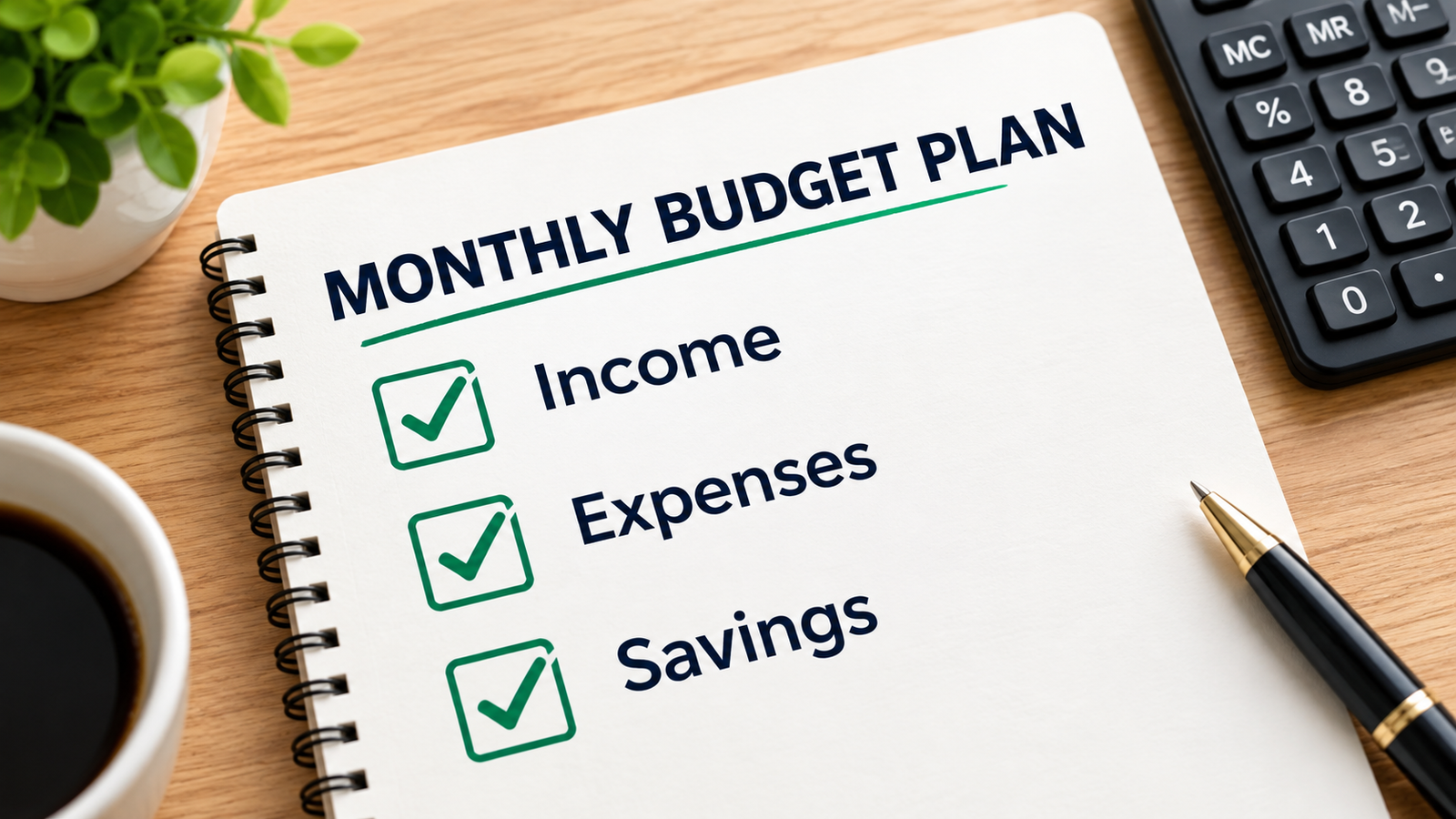
Managing money becomes much easier when you know where your income is going. A personal budget gives you a clear picture of your income, expenses, savings, and financial priorities.
You do not need a complicated spreadsheet or advanced financial knowledge to create one. A simple budget can help you control unnecessary spending, prepare for unexpected expenses, and work toward important financial goals.
What Is a Personal Budget?
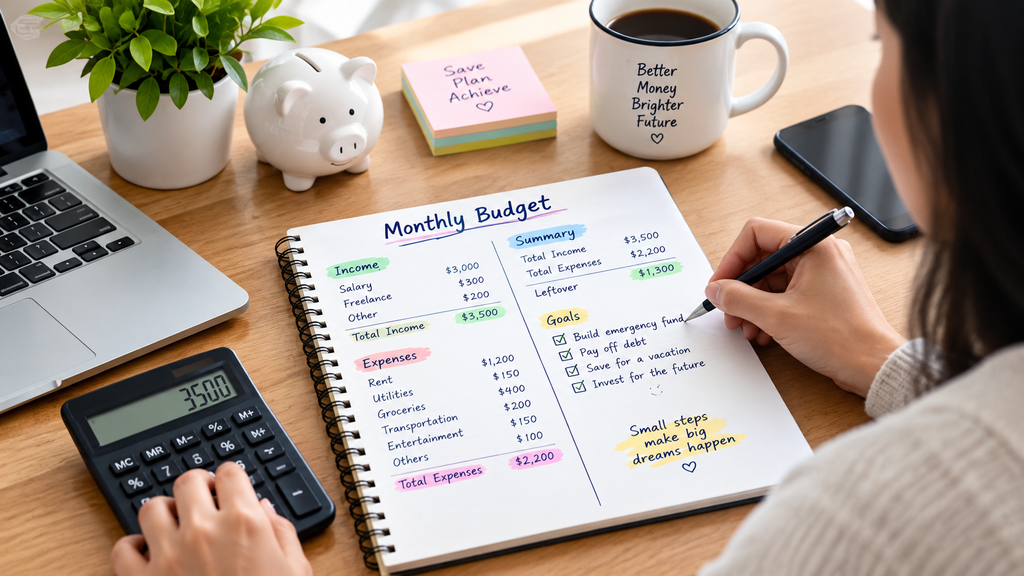
A personal budget is a plan for how you will use your money over a specific period, usually one month.It compares your expected income with your planned expenses and savings.
A basic personal budget can look like this:
Income − Expenses − Savings = Remaining Money
For example, if your monthly income is $4,000 and your planned expenses are $2,800, you have $1,200 available for savings, debt payments, investments, or other financial goals.
The purpose of budgeting is not simply to restrict spending. It is to make sure your money is being used according to your priorities.
Why Is a Personal Budget Important?
Without a budget, it can be difficult to understand why money disappears before the end of the month.A personal budget can help you:
- Understand where your money goes
- Control unnecessary spending
- Build savings
- Prepare for irregular expenses
- Manage debt payments
- Create an emergency fund
- Work toward financial goals
- Reduce financial stress
Budgeting also helps you make financial decisions before you spend rather than wondering where your money went afterward.
How to Create a Personal Budget
Creating a budget does not need to be complicated. Follow these steps to build a basic monthly plan.
1. Calculate Your Monthly Income
Start by determining how much money you expect to receive during the month.Depending on your situation, this could include:
- Salary
- Freelance income
- Business income
- Side-job income
- Rental income
- Other reliable sources of income
If your income changes from month to month, use a conservative estimate rather than assuming your highest possible income.
2. List Your Fixed Expenses
Fixed expenses are costs that are relatively predictable each month.
Examples include:
- Rent or mortgage
- Insurance
- Loan payments
- Internet
- Phone bills
- Subscription services
Write down the amount you normally pay for each expense. These costs form the foundation of your monthly budget.
3. Estimate Variable Expenses
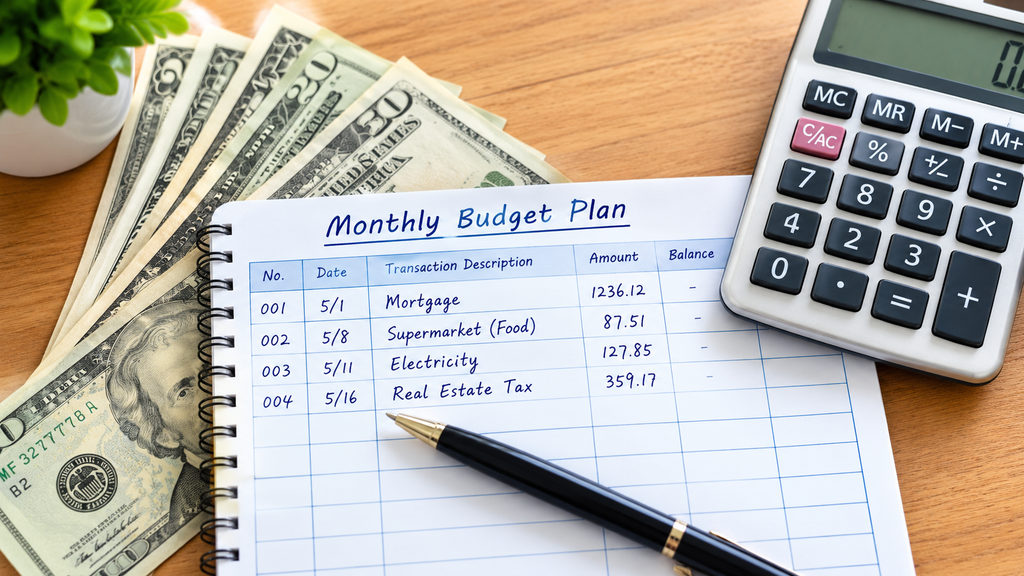
Variable expenses can change from month to month.
Common examples include:
- Groceries
- Transportation
- Electricity
- Dining out
- Entertainment
- Clothing
- Personal purchases
Look at your previous spending if possible. Your bank or credit-card statements can help you identify realistic amounts instead of making random estimates.
4. Include Savings in Your Budget
One common budgeting mistake is treating savings as whatever happens to be left at the end of the month. Instead, make savings part of the plan.
For example:
Monthly income: $4,000
Expenses: $3,000
Planned savings: $500
Extra money: $500
Your savings target can be used for an emergency fund, a future purchase, retirement, or another financial goal.
5. Account for Debt Payments
If you have debt, include the required payments in your monthly budget.
You can also create an additional debt-payment target if you want to pay your balance faster.
For example:
Minimum payment: $150
Additional payment: $100
Total monthly payment: $250
Before making extra debt payments, make sure essential expenses and important financial priorities are covered.
The 50/30/20 Budget Rule
One popular budgeting framework is the 50/30/20 rule.
It divides after-tax income approximately into:
- 50% for needs
- 30% for wants
- 20% for savings and debt repayment
For example, with $4,000 of monthly take-home income:
| Category | Percentage | Example |
| Needs | 50% | $2,000 |
| Wants | 30% | $1,200 |
| Savings/Debt | 20% | $800 |
This is a guideline, not a requirement.
Someone living in an expensive city may spend more than 50% on essential housing and transportation. Someone with a high income may be able to save considerably more than 20%.
The best budget is one that reflects your actual financial situation.
A Simple Personal Budget Example
Here is an example of how a monthly budget might look:
| Category | Monthly Amount |
| Take-home income | $4,000 |
| Housing | $1,400 |
| Groceries | $450 |
| Transportation | $300 |
| Utilities | $200 |
| Insurance | $150 |
| Debt payments | $250 |
| Entertainment | $200 |
| Other spending | $250 |
| Savings | $500 |
| Remaining | $300 |
The numbers will be different for every household. The goal is to create a realistic plan rather than copy someone else’s exact percentages.
How to Control Unnecessary Spending
Once you have a budget, look for expenses that are not essential and do not provide much value.
You might find opportunities in areas such as:
- Unused subscriptions
- Frequent takeout
- Impulse shopping
- Expensive convenience purchases
- Entertainment you rarely use
- Duplicate services
You do not have to eliminate every non-essential expense.
Instead, focus on spending intentionally.
If a particular expense genuinely improves your life and fits your budget, there may be no reason to eliminate it.
Budget for Irregular Expenses
Some expenses do not occur every month but should still be included in your financial planning.
Examples include:
- Annual insurance premiums
- Holiday spending
- Property taxes
- Vehicle maintenance
- Medical or dental costs
- School expenses
- Home repairs
One way to prepare is to estimate the yearly cost and divide it by 12.
For example, if you expect to spend $1,200 on an annual expense:
$1,200 ÷ 12 = $100 per month
Setting aside $100 each month can make that future expense easier to manage.
Build an Emergency Fund
A personal budget should also account for unexpected expenses.
An emergency fund is money set aside for genuine financial emergencies, such as unexpected repairs, urgent expenses, or a temporary loss of income.
Rather than trying to build a large emergency fund immediately, start with an amount that is realistic for your situation.
Once you have established the habit, gradually work toward a larger financial cushion.
Keep emergency savings accessible and separate from money intended for everyday spending.
What to Do When Your Budget Doesn’t Balance
Sometimes your planned expenses will be greater than your income.
For example:
Income: $3,000
Expenses: $3,300
That creates a $300 monthly shortfall.
Do not simply ignore the difference.
Review your expenses and separate them into:
- Essential expenses
- Important financial commitments
- Optional spending
Look for expenses that can be reduced, delayed, or removed.
If the problem continues, increasing income may also need to become part of your financial plan.
Review Your Budget Every Month
A budget is not something you create once and never touch again.
Your income, expenses, goals, and priorities can change.
At the end of each month, review:
- What did you spend?
- Did you stay within your limits?
- How much did you save?
- Which categories went over budget?
- Were there unexpected expenses?
- What should change next month?
This process helps your budget become more accurate over time.
Common Personal Budgeting Mistakes
Setting Unrealistic Limits
If your budget assumes you will spend almost nothing on entertainment or personal purchases, it may be difficult to maintain.
Create limits that are challenging but realistic.
Forgetting Small Expenses
Small purchases can add up.
Coffee, delivery fees, subscriptions, and frequent convenience purchases may seem insignificant individually but can become a meaningful monthly expense.
Not Including Irregular Costs
Ignoring annual or occasional expenses can make a budget look better than reality.
Plan for these costs in advance.
Treating Savings as an Afterthought
If saving is important to you, give it a place in your budget instead of relying only on leftover money.
Giving Up After One Bad Month
A budget does not need to be perfect.
If you overspend one month, review what happened and adjust your plan instead of abandoning budgeting altogether.
How to Make Your Personal Budget Easier
The best budget is one you can actually follow.
Keep your system simple.
You can use:
- A spreadsheet
- A budgeting app
- A notebook
- Your bank’s budgeting features
- A simple monthly template
You can also automate recurring payments and savings transfers where appropriate.
The less manual work your system requires, the easier it may be to maintain.
Personal Budget vs. Financial Plan
A budget and a financial plan are related, but they are not exactly the same.
A personal budget focuses mainly on how you manage money over a short period, such as a month.
A financial plan takes a broader view and may include:
- Long-term savings
- Retirement
- Investing
- Insurance
- Debt management
- Major financial goals
Your monthly budget can therefore become one of the building blocks of your broader financial plan.
Final Thoughts
A personal budget gives you control over your money by showing how much you earn, spend, save, and allocate toward your financial goals.
You do not need a perfect budgeting system. Start by tracking your income and expenses, create realistic spending limits, include savings, prepare for irregular costs, and review your results each month.
The most effective budget is not necessarily the most complicated one. It is the one you understand, follow, and adjust as your financial circumstances change.
When budgeting becomes a regular habit, your money decisions can become more intentional and your financial goals can become easier to manage.
One thought on “Personal Budget: A Simple Guide to Managing Your Money”