

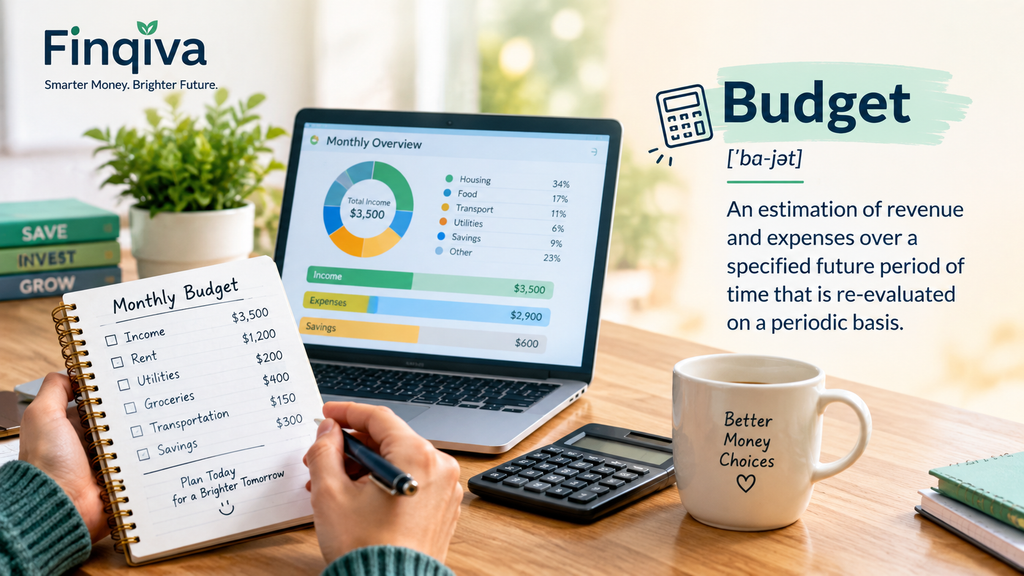
Saving money can feel difficult when most of your income already goes toward housing, food, transportation, bills, and other necessities. When money is tight, advice like “just spend less” may not feel realistic.The good news is that you can save money on a low income without eliminating everything you enjoy. The goal is not to create an extremely restrictive budget. Instead, focus on making your money work more efficiently, reducing expenses that provide little value, and saving small amounts consistently.Even a modest amount saved regularly can give you more financial flexibility over time.
Why Saving Money Is Hard on a Low Income
When income is limited, a large portion of your money may already be committed to essential expenses.
Common costs include:
- Rent or mortgage
- Groceries
- Utilities
- Transportation
- Insurance
- Healthcare
- Debt payments
- Childcare
- Household expenses
After paying for necessities, there may be very little left.This means saving on a low income often requires more than cutting small purchases. You may need to examine recurring expenses, manage irregular costs, reduce expensive debt, and potentially find ways to increase income.
Start by Understanding Where Your Money Goes
Before changing your spending habits, track your expenses for at least one month.Review your bank account, credit card statements, receipts, and other transactions.
Divide your spending into categories such as:
| Category | Examples |
| Housing | Rent, mortgage, maintenance |
| Food | Groceries, restaurants |
| Transportation | Fuel, public transit, car costs |
| Utilities | Electricity, water, internet |
| Debt | Credit cards, personal loans |
| Personal | Clothing, entertainment |
| Savings | Emergency fund and financial goals |
This gives you a clear picture of where your money is going.You may discover that the problem is not one large expense but several recurring costs that have gradually increased.
Set a Small Savings Goal
When money is tight, setting an unrealistic savings target can make saving feel impossible.Instead of immediately trying to save hundreds of dollars each month, start with an amount that fits your current budget.
For example:
- $5 per week = $260 per year
- $10 per week = $520 per year
- $25 per week = $1,300 per year
These amounts may not solve every financial problem, but they demonstrate an important principle: small savings can accumulate when the habit is maintained consistently.Once your income or financial situation improves, you can increase the amount.
Build an Emergency Fund First
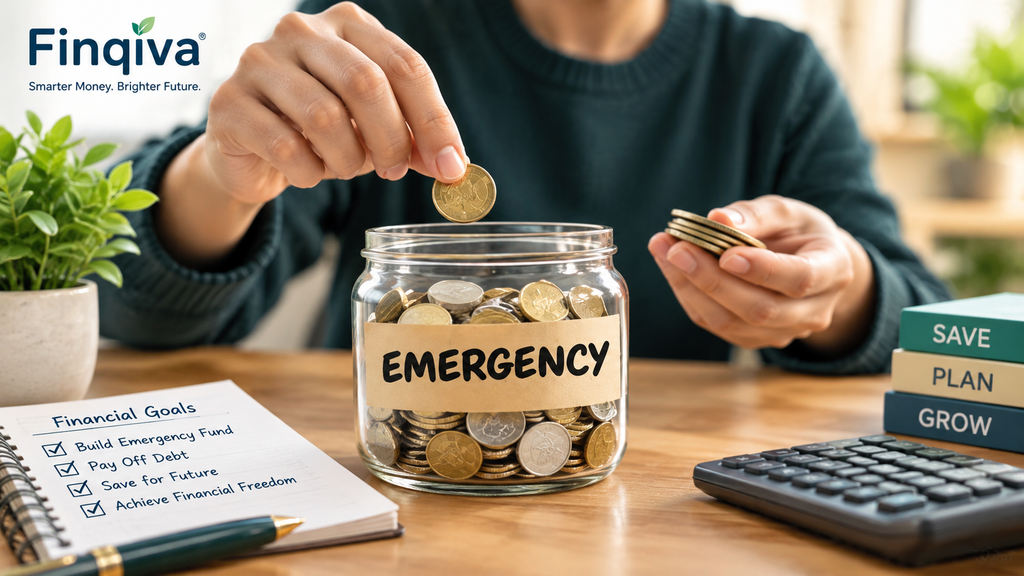
One of the most useful purposes for early savings is an emergency fund.Without savings, an unexpected expense can force you to use a credit card or take out a loan.Start with a small target, such as enough to handle a minor unexpected expense. Once you reach it, gradually work toward a larger emergency reserve.Your long-term target can depend on your income, job stability, household responsibilities, and essential monthly expenses.The important thing is to begin building a financial cushion.
Automate Your Savings
Saving money manually can be difficult because it is easy to spend the money before you remember to save it.If your bank supports automatic transfers, consider scheduling a small transfer shortly after receiving your income.For example, you could automatically move $10 or $20 into a separate savings account each payday.Because the money is moved automatically, you do not have to make the saving decision every time you receive income.
Reduce Expenses Without Eliminating Everything You Enjoy
Saving money does not have to mean removing every enjoyable activity.Instead, identify spending that provides little value to you.
For example, you might discover that you are paying for:
- Streaming services you rarely use
- Apps you forgot about
- Gym memberships you do not use
- Unused subscriptions
- Frequent delivery fees
- Convenience purchases
Cutting expenses you barely value can feel much easier than eliminating activities that genuinely make you happy.
Focus on Recurring Expenses
One-time savings are helpful, but recurring savings can have a larger long-term effect.Suppose you reduce a monthly subscription by $15.
That saves:
$15 × 12 = $180 per year
Now imagine reducing several recurring expenses.
| Monthly Reduction | Annual Savings |
| $10 | $120 |
| $25 | $300 |
| $50 | $600 |
| $100 | $1,200 |
The exact amount you can save depends on your circumstances, but recurring reductions can continue working month after month.
Lower Your Grocery Costs
Food is one area where small changes can sometimes produce meaningful savings.
Try:
- Planning meals before shopping
- Comparing prices
- Using a grocery list
- Buying commonly used items in economical quantities
- Cooking larger batches
- Using leftovers
- Reducing food waste
- Checking discounts and promotions
You do not need to eliminate every restaurant meal or favorite food.Instead, decide how much you can reasonably spend on food and create a plan around that amount.
Use What You Already Have
Before buying something new, check whether you already own something that can solve the problem.
This can apply to:
- Clothing
- Household supplies
- Kitchen equipment
- Electronics
- Furniture
- Cleaning products
A simple “use it before buying it” rule can prevent unnecessary spending.
Try a 24-Hour Waiting Rule
Impulse purchases can make saving difficult.
For nonessential purchases, consider waiting 24 hours before buying.For more expensive purchases, you could wait even longer.
Ask yourself:
- Do I need it?
- Did I plan for it?
- Can I afford it without borrowing?
- Will I still want it tomorrow?
- Could this money support a more important financial goal?
A short delay can help separate genuine needs from temporary wants.
Find Cheaper Alternatives
You do not always have to eliminate an expense to save money.Sometimes you can simply find a less expensive alternative.
For example:
- Cook at home instead of ordering delivery.
- Compare phone plans.
- Shop around for insurance when appropriate.
- Use public transportation when practical.
- Buy generic products where quality is comparable.
- Borrow books instead of purchasing them.
- Use free entertainment options.
The goal is to lower the cost while maintaining the underlying benefit.
Avoid Lifestyle Inflation
If your income increases, it can be tempting to immediately increase spending.Suppose you receive a $200 monthly raise. You could spend all $200 on lifestyle upgrades.Another option is to divide the increase.
For example:
- $100 toward savings
- $50 toward debt
- $50 toward additional spending
The exact split depends on your financial priorities.The important idea is to avoid allowing every increase in income to disappear through higher spending.
Save Windfalls Instead of Spending Them Automatically
Occasional money can provide an opportunity to strengthen your finances.
Examples include:
- Tax refunds
- Bonuses
- Gifts
- Cash from selling unused items
- Work-related payments
You do not necessarily need to save all of it.You could divide a windfall between savings, debt repayment, and something enjoyable.This allows you to make financial progress without feeling completely deprived.
Use Sinking Funds for Future Expenses
Some expenses are predictable even though they do not happen every month.A sinking fund allows you to save gradually for these costs.For example, suppose you expect a $600 annual insurance payment.Instead of finding $600 when the bill arrives, you could save approximately:
$600 ÷ 12 = $50 per month
Sinking funds can be useful for:
- Car maintenance
- Insurance
- Holidays
- School expenses
- Medical costs
- Home repairs
- Annual subscriptions
- Travel
This can reduce the chance that predictable expenses turn into financial emergencies.
Be Careful With Credit Cards
Credit cards can be useful financial tools, but relying on them to cover everyday expenses when income is insufficient can create a difficult cycle.High-interest credit card debt can make saving much harder because part of your future income is already committed to interest and debt payments.If you have credit card debt, consider creating a repayment plan while maintaining at least a small emergency cushion.Avoid using credit simply to make a budget appear balanced.
Increase Income When Cutting Expenses Isn’t Enough
There is a limit to how much you can cut.If your essential expenses already consume nearly all of your income, extreme budgeting may not be the answer.In that situation, increasing income may be more effective.
Potential options include:
- Working additional hours
- Freelancing
- Selling unused belongings
- Developing a valuable skill
- Applying for higher-paying opportunities
- Taking on suitable part-time work
- Creating an additional income stream
Even a modest increase in income can create room for savings when combined with controlled spending.
Use a “No-Deprivation” Budget
A useful budget does not have to eliminate every want.
Instead, create three broad categories:
Essentials
These include expenses you need to maintain your basic lifestyle and financial obligations.
Financial Goals
This category includes:
- Emergency savings
- Debt repayment
- Retirement savings
- Other long-term goals
Enjoyment
This is money you intentionally allow yourself to spend on things you enjoy.The amount does not have to be large.Having a defined amount for enjoyment can make a budget easier to follow because you are not constantly feeling like you are giving everything up.
Example of Saving on a Low Income
Imagine someone takes home $2,500 per month.
Their initial budget might look like this:
| Expense | Monthly Amount |
| Housing | $900 |
| Utilities | $200 |
| Groceries | $350 |
| Transportation | $250 |
| Debt payments | $300 |
| Personal spending | $250 |
| Savings | $100 |
| Remaining buffer | $150 |
Instead of attempting to save $500 immediately, they might start with $100.
They could then look for opportunities to reduce expenses:
- $20 from subscriptions
- $30 from unnecessary food spending
- $25 from miscellaneous purchases
That creates another $75 of potential monthly savings.Combined with the original $100, the person could potentially reach $175 per month without eliminating every discretionary expense.The exact numbers will differ from household to household, but the principle is the same: make several manageable improvements instead of relying on one dramatic cut.
Common Saving Mistakes on a Low Income
Trying to Save Too Much Too Quickly
An unrealistic target can make you abandon the habit.
Start with an amount you can consistently maintain.
Cutting Everything You Enjoy
A budget that feels miserable may be difficult to maintain.Leave some room for reasonable enjoyment.
Ignoring High-Interest Debt
Saving while expensive debt continues growing can limit your financial progress.Consider how savings and debt repayment should work together based on your situation.
Focusing Only on Small Expenses
Small cuts matter, but large recurring expenses often have a bigger impact.Review housing, transportation, debt, insurance, and other major costs.
Not Planning for Irregular Expenses
If you know a large expense is coming, start saving for it before the bill arrives.
Increasing Spending When Income Rises
Try to direct at least part of additional income toward financial goals.
A Simple Low-Income Savings Plan
If you want a straightforward starting point, follow these steps:
1. Track your spending.
Know exactly where your money is going.
2. Calculate your essential expenses.
Understand how much you actually need each month.
3. Choose a small savings target.
Make it achievable.
4. Automate the savings.
Move the money before you have a chance to spend it.
5. Cut low-value recurring expenses.
Remove costs you do not genuinely need or enjoy.
6. Create sinking funds.
Prepare for predictable future expenses.
7. Manage expensive debt.
Avoid allowing high-interest balances to consume your cash flow.
8. Look for ways to increase income.
If expenses cannot be reduced further, focus on earning more.
9. Increase your savings gradually.
Raise your savings amount when your financial situation improves.
Final Thoughts
Learning how to save money on a low income is not about living an extremely restrictive lifestyle.It is about making intentional choices with the money you have.Start small. Track your spending, automate manageable savings, reduce expenses that provide little value, prepare for irregular costs, and work toward building an emergency fund.
If your income is simply not enough to cover essential expenses, recognize that this is a cash-flow problem—not a failure of discipline. In that situation, reducing major expenses and increasing income may be more important than cutting small purchases.You do not have to deprive yourself to make financial progress. A realistic plan that you can follow consistently is often more useful than an extreme budget that you cannot maintain.