
Personal Finance • Investing • Wealth
Make Smarter Money Decisions
Read Our Insights

Dividend Growth Stocks: A Beginner’s Guide to Long-Term Income

“Dividend Growth Stocks” is a strong Finqiva Investing topic. Focus keyword: dividend growth stocks It can make a good article covering: What dividend growth stocks are Dividend growth vs. high dividend yield How to evaluate dividend growth companies Dividend growth rate and payout ratio Dividend reinvestment and compounding Risks and common mistakes How beginners can build a dividend-growth portfolio If you want the full article, say “write.” write Dividend Growth Stocks: A Beginner’s Guide to Long-Term Income Dividend Growth Stocks: A Beginner’s Guide to Long-Term Income Dividend growth stocks can be attractive to investors who want to combine potential long-term stock-market growth with an increasing stream of dividend income. Unlike stocks selected primarily for their high current dividend yield, dividend growth stocks are companies with a history or expectation of increasing the dividends they pay to shareholders. For long-term investors, growing dividends can become increasingly valuable over time. However, dividend growth alone does not make a stock a good investment. Investors also need to consider the company's financial strength, valuation, earnings growth, payout ratio, competitive position, and ability to continue funding its dividend. What Are Dividend Growth Stocks? Dividend growth stocks are shares of companies that regularly increase the dividends they pay to shareholders. For example, imagine a company currently pays a $1 annual dividend per share. If it increases that dividend to $1.08 the following year, the dividend has grown by 8%. An investor who owns the stock may benefit from: Dividend income Potential dividend growth Potential share-price appreciation Compounding through dividend reinvestment The key idea is that the income generated by the investment can potentially increase over time. Dividend Growth vs. High Dividend Yield Dividend growth investing is different from simply searching for stocks with the highest dividend yields. Consider two hypothetical companies: Company A Company B Current dividend yield 6% 2.5% Dividend growth 1% 8% Business growth Low Moderate Starting income Higher Lower Potential income growth Lower Higher Company A provides more income today, while Company B has a lower starting yield but faster dividend growth. Neither is automatically the better investment. The right choice depends on the investor's goals, valuation, risk tolerance, and expectations for the underlying business. Why Do Companies Increase Their Dividends? Companies may increase dividends when their earnings and cash flows grow and management believes the business can continue supporting higher shareholder distributions. A company with growing profits may have more flexibility to: Increase dividends Reinvest in the business Repurchase shares Reduce debt Pursue acquisitions However, dividend increases are not guaranteed. A company can reduce, suspend, or eliminate its dividend if its financial situation deteriorates. Why Investors Consider Dividend Growth Stocks Growing Income One of the biggest attractions is the possibility of increasing income over time. If a company consistently raises its dividend, an investor's income from the same number of shares can increase even without buying additional shares. Potential Compounding When dividends are reinvested, investors can use those payments to purchase additional shares. Those additional shares may then generate their own dividends. Over long periods, this can create a compounding effect. Potential Capital Appreciation Dividend growth companies are often mature businesses, but they can still experience earnings and share-price growth. Investors may therefore benefit from both income and potential capital appreciation. Inflation Considerations Growing dividends may help an income stream keep pace with rising costs, although dividend growth is not guaranteed to exceed inflation. A company that increases its dividend faster than inflation may provide increasing purchasing power over time. What Is Dividend Yield? Dividend yield measures the annual dividend relative to the stock's current price. A simplified formula is: Dividend Yield = Annual Dividend Per Share ÷ Stock Price × 100 For example, if a company pays $2 per share annually and the stock trades at $50: $2 ÷ $50 × 100 = 4% The dividend yield would be 4%. However, yield should never be analyzed alone. An unusually high yield can sometimes indicate that investors expect the company's dividend or earnings to decline. What Is Dividend Growth Rate? The dividend growth rate measures how quickly a company's dividend has increased over a particular period. For example, if a company's annual dividend rises from $2 to $2.20: ($2.20 − $2) ÷ $2 × 100 = 10% The dividend growth rate is 10%. Investors may examine several years of dividend growth rather than relying on a single annual increase. Look at the Payout Ratio The payout ratio compares the dividends paid by a company with its earnings. A simplified formula is: Payout Ratio = Dividends Per Share ÷ Earnings Per Share × 100 For example, if a company earns $5 per share and pays $2 in dividends: $2 ÷ $5 × 100 = 40% The payout ratio is 40%. A lower payout ratio can provide a company with more room to retain earnings and potentially increase future dividends. However, an appropriate payout ratio varies significantly between industries and business models. Check Free Cash Flow Earnings are important, but investors should also examine cash generation. A company may report accounting profits while having limited cash available for dividends, debt payments, capital expenditures, and other obligations. Strong and sustainable free cash flow can provide greater support for shareholder distributions. Look at Dividend History A company's history can provide useful information about its approach to shareholder distributions. Consider: How long has the company paid dividends? Has it regularly increased them? Has it ever reduced or suspended the dividend? How quickly have dividends grown? Has dividend growth remained supported by earnings and cash flow? Past dividend growth does not guarantee future increases, but it can help investors understand the company's history. Consider Earnings Growth Dividend growth generally needs financial support. If a company's dividend keeps increasing while earnings remain stagnant or decline, the payout may become increasingly difficult to sustain. Look for businesses with the potential to grow: Revenue Earnings Free cash flow Competitive advantages Sustainable earnings growth can create a stronger foundation for future dividend increases. Consider the Company's Debt Debt deserves attention when evaluating dividend stocks. A heavily indebted company may have to dedicate significant cash flow to interest and debt repayment. This can reduce the amount available for: Dividends Business investment Share repurchases Acquisitions A company's debt level should therefore be considered alongside its earnings and cash flow. Don't Ignore Valuation A great company can still be a poor investment if you pay too much for its shares. For example, a company may have: Strong earnings growth Excellent dividend history Low debt Consistent cash flow But if its stock price is extremely high relative to its underlying financial performance, future returns may be less attractive. Common valuation measures include: Price-to-earnings ratio Price-to-free-cash-flow ratio Dividend yield Enterprise value relative to operating metrics Investors should compare valuation with the company's growth prospects and the broader market. Dividend Growth and Reinvestment Dividend reinvestment can potentially accelerate long-term compounding. Imagine you own 100 shares of a company paying $2 per share annually. Your annual dividend would be: 100 × $2 = $200 If you reinvest that $200 into additional shares, your share count increases. Future dividends can then be generated from both your original shares and the additional shares purchased with dividends. Over many years, this process can become increasingly significant. Dividend Growth Stocks vs. Growth Stocks Dividend growth stocks and traditional growth stocks are not necessarily opposites. Feature Dividend Growth Stocks Growth Stocks Dividend income Usually important Often low or none Dividend growth Important Usually not a focus Reinvestment May include dividends Often relies on company reinvestment Income today Potentially moderate Often low Main attraction Income + growth Capital appreciation Typical investor goal Growing income and wealth Long-term capital growth Some companies can even fit characteristics of both categories. Common Mistakes to Avoid Chasing the Highest Yield A very high yield can be a warning sign rather than an opportunity. Investigate why the yield is high and whether the dividend is financially sustainable. Ignoring Valuation A high-quality dividend company can still be overpriced. Looking Only at Dividend History A long history of increases does not guarantee future growth. Analyze the underlying business as well. Ignoring Debt High debt can reduce financial flexibility and potentially threaten future dividends. Owning Too Few Companies Concentration in one or two dividend stocks can expose an investor to company-specific risk. Diversification can help reduce the impact of a single company's problems. Assuming Dividends Are Guaranteed Companies can reduce or eliminate dividends. Dividend payments should never be treated as risk-free income. How to Start Investing in Dividend Growth Stocks If you are considering dividend growth investing, a simple process can help. Step 1: Define Your Goal Decide whether your primary goal is: Current income Future income Long-term wealth A combination of income and growth Step 2: Research Companies Review financial statements, earnings, cash flow, debt, dividend history, and competitive position. Step 3: Evaluate the Dividend Look at: Current yield Dividend growth rate Payout ratio Dividend history Cash-flow coverage Step 4: Evaluate the Stock Consider valuation and whether the current price makes sense relative to the company's financial performance and future prospects. Step 5: Diversify Avoid allowing one company, sector, or industry to dominate your portfolio. Step 6: Think Long Term Dividend growth investing is generally better suited to investors who can tolerate market fluctuations and remain focused on long-term results. Are Dividend Growth Stocks Good for Beginners? They can be, but beginners should understand that dividend stocks are still stocks. Their prices can fall substantially, and dividends can be reduced. New investors should avoid choosing stocks solely because they pay dividends. A broader strategy could involve diversified investments appropriate for the investor's goals, risk tolerance, time horizon, and financial situation. Final Thoughts Dividend growth stocks can offer investors a combination of potential income growth and long-term capital appreciation. However, a growing dividend is only one piece of the investment puzzle. Before buying a dividend growth stock, consider the company's earnings, free cash flow, debt, payout ratio, dividend history, competitive position, and valuation. The strongest dividend strategy is not necessarily the one with the highest yield. It is the one built around financially healthy businesses that can potentially continue growing their earnings and dividends over many years. For long-term investors, patience, diversification, disciplined research, and reinvestment can be more important than chasing the biggest dividend today. SEO Focus Keyword: dividend growth stocks SEO Title: Dividend Growth Stocks: How to Find the Best Ones Meta Description: Learn how dividend growth stocks work, how to evaluate dividend yield, growth, payout ratios, cash flow, debt, and valuation before investing. Permalink/Slug: dividend-growth-stocks 1 featured image and 2 content image alt text Featured Image Investor analyzing dividend growth stocks for long-term income and portfolio growth

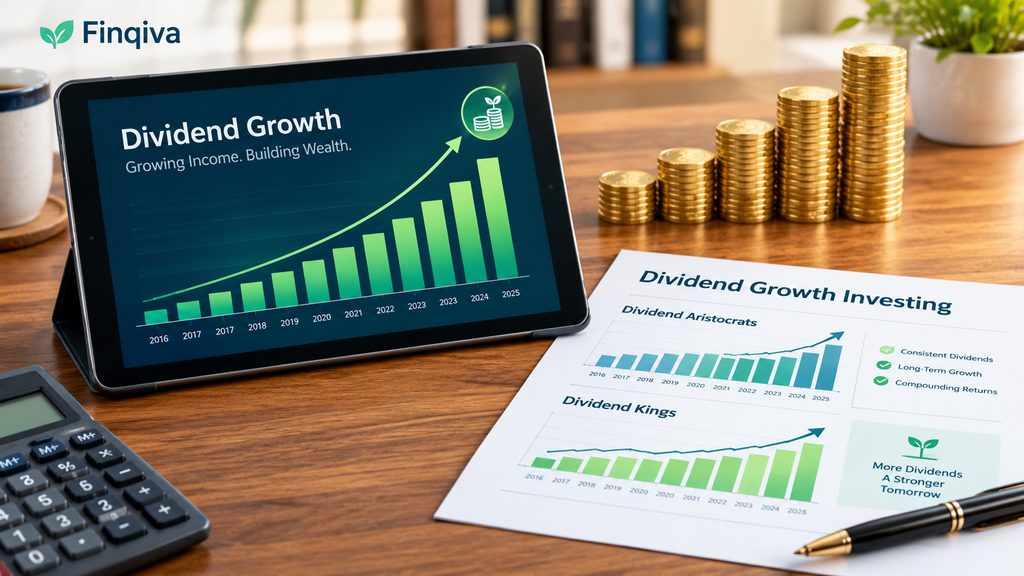
Dividend growth stocks can be attractive to investors who want to combine potential long-term stock-market growth with an increasing stream of dividend income.Unlike stocks selected primarily for their high current dividend yield, dividend growth stocks are companies with a history or expectation of increasing the dividends they pay to shareholders.For long-term investors, growing dividends can become increasingly valuable over time. However, dividend growth alone does not make a stock a good investment. Investors also need to consider the company’s financial strength, valuation, earnings growth, payout ratio, competitive position, and ability to continue funding its dividend.
What Are Dividend Growth Stocks?

Dividend growth stocks are shares of companies that regularly increase the dividends they pay to shareholders.

For example, imagine a company currently pays a $1 annual dividend per share. If it increases that dividend to $1.08 the following year, the dividend has grown by 8%.An investor who owns the stock may benefit from:

  • Dividend income
  • Potential dividend growth
  • Potential share-price appreciation
  • Compounding through dividend reinvestment

The key idea is that the income generated by the investment can potentially increase over time.

Dividend Growth vs. High Dividend Yield

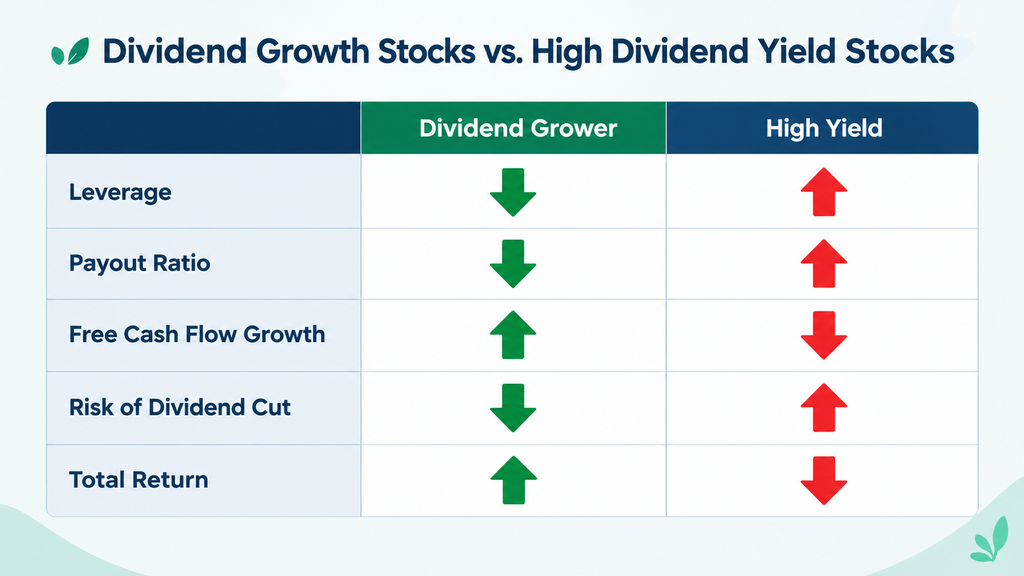
Dividend growth investing is different from simply searching for stocks with the highest dividend yields.Consider two hypothetical companies:

Company ACompany B
Current dividend yield6%2.5%
Dividend growth1%8%
Business growthLowModerate
Starting incomeHigherLower
Potential income growthLowerHigher

Company A provides more income today, while Company B has a lower starting yield but faster dividend growth.Neither is automatically the better investment.The right choice depends on the investor’s goals, valuation, risk tolerance, and expectations for the underlying business.

Why Do Companies Increase Their Dividends?

Companies may increase dividends when their earnings and cash flows grow and management believes the business can continue supporting higher shareholder distributions.A company with growing profits may have more flexibility to:

  • Increase dividends
  • Reinvest in the business
  • Repurchase shares
  • Reduce debt
  • Pursue acquisitions

However, dividend increases are not guaranteed.A company can reduce, suspend, or eliminate its dividend if its financial situation deteriorates.

Why Investors Consider Dividend Growth Stocks

Growing Income

One of the biggest attractions is the possibility of increasing income over time.If a company consistently raises its dividend, an investor’s income from the same number of shares can increase even without buying additional shares.

Potential Compounding

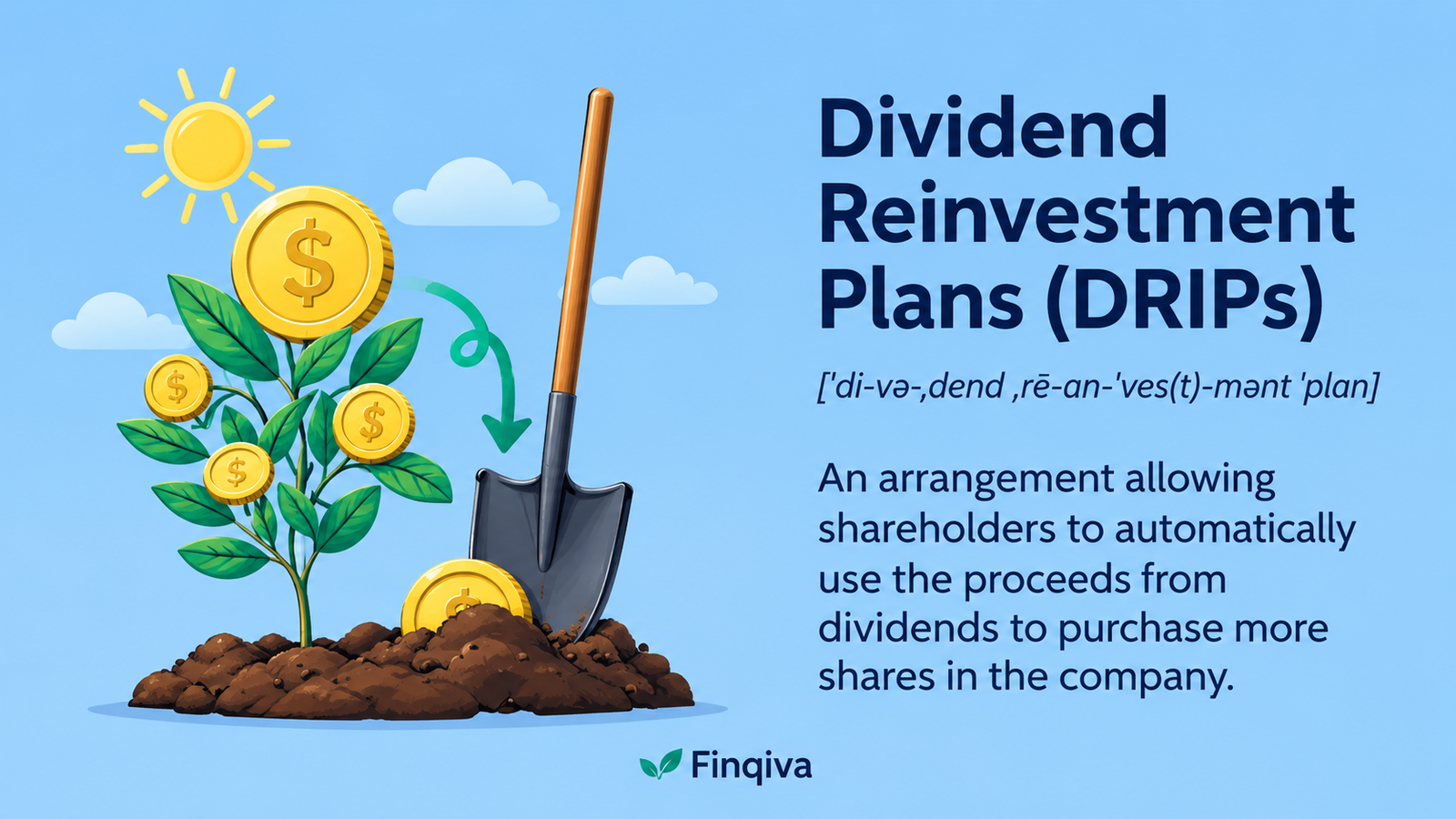
When dividends are reinvested, investors can use those payments to purchase additional shares.Those additional shares may then generate their own dividends.Over long periods, this can create a compounding effect.

Potential Capital Appreciation

Dividend growth companies are often mature businesses, but they can still experience earnings and share-price growth.Investors may therefore benefit from both income and potential capital appreciation.

Inflation Considerations

Growing dividends may help an income stream keep pace with rising costs, although dividend growth is not guaranteed to exceed inflation.A company that increases its dividend faster than inflation may provide increasing purchasing power over time.
What Is Dividend Yield?

Dividend yield measures the annual dividend relative to the stock’s current price.A simplified formula is:

Dividend Yield = Annual Dividend Per Share ÷ Stock Price × 100

For example, if a company pays $2 per share annually and the stock trades at $50:

$2 ÷ $50 × 100 = 4%

The dividend yield would be 4%.However, yield should never be analyzed alone.An unusually high yield can sometimes indicate that investors expect the company’s dividend or earnings to decline.

What Is Dividend Growth Rate?

The dividend growth rate measures how quickly a company’s dividend has increased over a particular period.

For example, if a company’s annual dividend rises from $2 to $2.20:

($2.20 − $2) ÷ $2 × 100 = 10%

The dividend growth rate is 10%.Investors may examine several years of dividend growth rather than relying on a single annual increase.

Look at the Payout Ratio

The payout ratio compares the dividends paid by a company with its earnings.

A simplified formula is:

Payout Ratio = Dividends Per Share ÷ Earnings Per Share × 100

For example, if a company earns $5 per share and pays $2 in dividends:

$2 ÷ $5 × 100 = 40%

The payout ratio is 40%.A lower payout ratio can provide a company with more room to retain earnings and potentially increase future dividends.However, an appropriate payout ratio varies significantly between industries and business models.

Check Free Cash Flow

Earnings are important, but investors should also examine cash generation.A company may report accounting profits while having limited cash available for dividends, debt payments, capital expenditures, and other obligations.Strong and sustainable free cash flow can provide greater support for shareholder distributions.

Look at Dividend History

A company’s history can provide useful information about its approach to shareholder distributions.

Consider:

  • How long has the company paid dividends?
  • Has it regularly increased them?
  • Has it ever reduced or suspended the dividend?
  • How quickly have dividends grown?
  • Has dividend growth remained supported by earnings and cash flow?

Past dividend growth does not guarantee future increases, but it can help investors understand the company’s history.

Consider Earnings Growth

Dividend growth generally needs financial support.If a company’s dividend keeps increasing while earnings remain stagnant or decline, the payout may become increasingly difficult to sustain.Look for businesses with the potential to grow:

  • Revenue
  • Earnings
  • Free cash flow
  • Competitive advantages

Sustainable earnings growth can create a stronger foundation for future dividend increases.

Consider the Company’s Debt

Debt deserves attention when evaluating dividend stocks.A heavily indebted company may have to dedicate significant cash flow to interest and debt repayment.This can reduce the amount available for:

  • Dividends
  • Business investment
  • Share repurchases
  • Acquisitions

A company’s debt level should therefore be considered alongside its earnings and cash flow.

Don’t Ignore Valuation

A great company can still be a poor investment if you pay too much for its shares.For example, a company may have:

  • Strong earnings growth
  • Excellent dividend history
  • Low debt
  • Consistent cash flow

But if its stock price is extremely high relative to its underlying financial performance, future returns may be less attractive.Common valuation measures include:

  • Price-to-earnings ratio
  • Price-to-free-cash-flow ratio
  • Dividend yield
  • Enterprise value relative to operating metrics

Investors should compare valuation with the company’s growth prospects and the broader market.

Dividend Growth and Reinvestment

Dividend reinvestment can potentially accelerate long-term compounding.Imagine you own 100 shares of a company paying $2 per share annually.Your annual dividend would be:

100 × $2 = $200

If you reinvest that $200 into additional shares, your share count increases.Future dividends can then be generated from both your original shares and the additional shares purchased with dividends.Over many years, this process can become increasingly significant.

Dividend Growth Stocks vs. Growth Stocks

Dividend growth stocks and traditional growth stocks are not necessarily opposites.

FeatureDividend Growth StocksGrowth Stocks
Dividend incomeUsually importantOften low or none
Dividend growthImportantUsually not a focus
ReinvestmentMay include dividendsOften relies on company reinvestment
Income todayPotentially moderateOften low
Main attractionIncome + growthCapital appreciation
Typical investor goalGrowing income and wealthLong-term capital growth

Some companies can even fit characteristics of both categories.

Common Mistakes to Avoid

Chasing the Highest Yield

A very high yield can be a warning sign rather than an opportunity.Investigate why the yield is high and whether the dividend is financially sustainable.

Ignoring Valuation

A high-quality dividend company can still be overpriced.

Looking Only at Dividend History

A long history of increases does not guarantee future growth.Analyze the underlying business as well.

Ignoring Debt

High debt can reduce financial flexibility and potentially threaten future dividends.

Owning Too Few Companies

Concentration in one or two dividend stocks can expose an investor to company-specific risk.Diversification can help reduce the impact of a single company’s problems.

Assuming Dividends Are Guaranteed

Companies can reduce or eliminate dividends.Dividend payments should never be treated as risk-free income.

How to Start Investing in Dividend Growth Stocks

If you are considering dividend growth investing, a simple process can help.

Step 1: Define Your Goal

Decide whether your primary goal is:

  • Current income
  • Future income
  • Long-term wealth
  • A combination of income and growth

Step 2: Research Companies

Review financial statements, earnings, cash flow, debt, dividend history, and competitive position.

Step 3: Evaluate the Dividend

Look at:

  • Current yield
  • Dividend growth rate
  • Payout ratio
  • Dividend history
  • Cash-flow coverage

Step 4: Evaluate the Stock

Consider valuation and whether the current price makes sense relative to the company’s financial performance and future prospects.

Step 5: Diversify

Avoid allowing one company, sector, or industry to dominate your portfolio.

Step 6: Think Long Term

Dividend growth investing is generally better suited to investors who can tolerate market fluctuations and remain focused on long-term results.

Are Dividend Growth Stocks Good for Beginners?

They can be, but beginners should understand that dividend stocks are still stocks.Their prices can fall substantially, and dividends can be reduced.New investors should avoid choosing stocks solely because they pay dividends.A broader strategy could involve diversified investments appropriate for the investor’s goals, risk tolerance, time horizon, and financial situation.

Final Thoughts

Dividend growth stocks can offer investors a combination of potential income growth and long-term capital appreciation.However, a growing dividend is only one piece of the investment puzzle.Before buying a dividend growth stock, consider the company’s earnings, free cash flow, debt, payout ratio, dividend history, competitive position, and valuation.The strongest dividend strategy is not necessarily the one with the highest yield. It is the one built around financially healthy businesses that can potentially continue growing their earnings and dividends over many years.For long-term investors, patience, diversification, disciplined research, and reinvestment can be more important than chasing the biggest dividend today.

Leave a Reply

Your email address will not be published. Required fields are marked *

Type above and press Enter to search. Press Esc to cancel.